Register
Top Challenges Exporters Face in India & How to Overcome Them
Exporting from India is not as straightforward as it used to be. Over the last few months, many businesses have been struggling with rising shipping costs, delayed cargo movement, customs hold-ups, and unpredictable delivery timelines. Current global trade tensions and disruptions across West Asia have only made things more difficult for exporters who rely on smooth international shipping.
For Indian businesses exporting textiles, machinery, electronics, handicrafts, chemicals, or consumer goods, even one delayed shipment can affect customer relationships and future orders. On top of that, fluctuating freight rates and changing shipping conditions are making export operations harder to manage, especially for small and growing businesses.
This is why understanding the real challenges in export business and having the right logistics support has become more important than ever.
At MyXBorder, we work with Indian businesses to simplify international shipping, reduce export delays, and help exporters manage global logistics more efficiently.
In this guide, we will explain the most common problems faced by exporters in international market, how they affect Indian businesses, and practical ways to overcome them.
Understand the International Shipping Cost from India
Why Indian exporters are facing more pressure in global trade today
Shipping conditions have become more difficult for Indian exporters in recent months because of the ongoing situation in West Asia. There are so many businesses that rely on International shipping, and they are facing shipment delays, changing freight costs, and slower deliveries than before.
Exporters are also struggling to get containers on time, while shipping companies have increased charges in several cases. Some shipments are even being sent through different routes, which is making deliveries slower and more expensive.
Because of all this, smaller exporters are finding it even harder to manage because shipping costs are rising and delivery timelines are not always predictable.
Learn how to Ship Internationally From India With MyXBorder
Major challenges in the export business in India today
Documentation and compliance mistakes that delay exports
Export documentation is another major problem faced by Indian exporters. A lot of documentation is required for international consignments, such as invoices, packing list, bill of lading, GST documentation, certificates, and customs documentation. Any incorrect information will result in delays or rejection of the consignment.
Exporters have to deal with various import requirements for each country. This can be difficult to manage sometimes.
The importance of proper documentation is often overlooked by many firms until consignments are held up in the port areas.
Rising shipping costs and unstable freight rates
Shipping products from India to other countries is mostly so much expensive for businesses. Freight prices continue to fluctuate due to increased costs for fuel, container shortages, and disruptions in the global supply chain. In times of peak demand, freight rates may further escalate.
Small exporters usually face more problems because they ship in lower volumes. Apart from freight charges, they also spend money on packaging, warehousing, customs duties, and transportation within the country.
Customs clearance delays and international regulations
Many Indian exporters usually get stuck at customs. Mostly because of wrong HS codes, missing documents, or sudden rule changes. Ports are also crowded, so delays are pretty common now.
For urgent or seasonal goods, this becomes a real issue. Shipments reach late, costs go up, and customers also get affected.
Payment risks in international trade
In international trade, payment and cash flow issues are pretty common for exporters. Sometimes buyers delay payments, and literally this can disturb daily operations and working capital.
Moreover, changing currency rates can also cause losses for businesses. And in some cases, there’s always a risk of fraud or non-payment from foreign buyers.
Logistics and shipment coordination problems
Logistics problems are common in export business. Sometimes pickups happen late, goods stay stuck at warehouses, or shipment updates are not clear. Different teams also fail to coordinate properly, which creates more delays.
Many companies find it difficult to coordinate paperwork, inventory, booking, and dispatching simultaneously, particularly if the volume of orders grows. As a result, shipments do not always arrive on schedule. In some instances, customers stop placing orders because of delays.
Learn about Recent Export Trends In India
How exporters can overcome these challenges
Improve export documentation management
A good documentation system for each consignment is necessary. The verification of invoice, HS code, description of item, and documentation related to customs before shipping may prevent unnecessary delays in the delivery of goods.
Plan shipments strategically
Consolidation of shipments is an excellent strategy to cut down on export shipping expenses. You will need to combine all the small shipments into a single shipment.
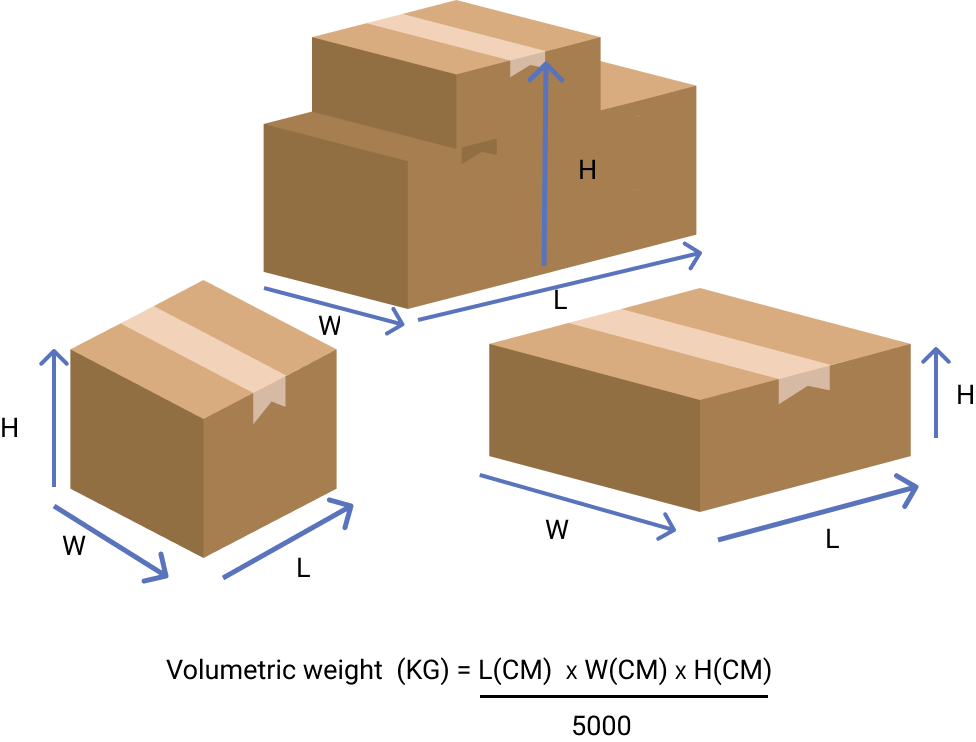
It is important that you package your goods in an efficient manner to minimize the costs associated with volumetric weight.
Work with reliable logistics support
Businesses can manage exports more smoothly with the help of logistics support. Good shipping partners take care of moving goods, handling customs, tracking shipments, and managing international deliveries. This makes the whole export process simpler and less stressful.
Use secure international payment methods
When accepting large export orders, one should verify if the party ordering the goods is genuine and reliable. In many instances, exporters have faced payment delays simply because they agree to deals too quickly without verifying the customer properly.
When working with new overseas buyers, exporters usually prefer safer payment options like advance payment or LC (Letter of Credit). Some businesses also choose export insurance to avoid major losses if payment issues happen later.
It also helps to keep payment terms clear from the start so both sides know the deadlines, shipping process, and payment conditions properly.
Strengthen packaging and cargo protection
Since international cargo is shipped over large distances and goes through multiple checkpoints before reaching its destination, companies must ensure that their packing material is robust enough to protect their products against any moisture or physical damage. Proper labeling and handling guidelines can minimize product damage.
A Guide to Export From India to Abroad For New Business
Conclusion
Exporting offers strong growth potential for Indian businesses, but success requires proper planning, reliable logistics support, and strong operational control.
Most problems faced by exporters in international market can be reduced with better planning, reliable logistics support, and smoother shipment coordination. When you have the right export partner, handling international deliveries becomes much more organized and less stressful. With MyXBorder, businesses can simplify export operations, improve shipping efficiency, and manage global deliveries with greater confidence.
Offers from MyXBorder

Shipping Rates
Calculate your cost of shipping.
How MyXBorder supports Indian exporters
Managing exports becomes much easier when you have the right shipping and logistics support. MyXBorder helps Indian exporters handle international shipping more smoothly by supporting everything from shipment coordination and customs assistance to package consolidation and global deliveries.
If you regularly ship products overseas or manage international customer orders, services like Shop N Ship, Assisted Shop N Ship, and Seller Assistance can help simplify the process. This helps you reduce shipping complications, improve delivery management, and focus more on growing your business globally.
Stats
50000+
Orders
170+
Countries we serve
40000+
users